
The Comfort Book: Difference between revisions
No edit summary |
No edit summary |
||
| Line 33: | Line 33: | ||
=== I === |
=== I === |
||
👶 '''1 – Baby.''' Treat your life like that first day you arrived: value that does not depend on performance, polish, or other people’s approval. Remember that worth is intrinsic and continuous, not a target you have to earn back each time you falter. ''Their value was innate from their first breath.'' |
👶 '''1 – Baby.''' Treat your life like that first day you arrived: value that does not depend on performance, polish, or other people’s approval. Remember that worth is intrinsic and continuous, not a target you have to earn back each time you falter. ''Their value was innate from their first breath.'' |
||
🎯 '''2 – You Are the Goal.''' Stop measuring your day against moving goalposts; the point is not to upgrade yourself endlessly but to treat yourself kindly as you are. Self-compassion beats self-optimization because care sustains change while punishment exhausts it. ''You were born worthy of love and you remain worthy of love.'' |
🎯 '''2 – You Are the Goal.''' Stop measuring your day against moving goalposts; the point is not to upgrade yourself endlessly but to treat yourself kindly as you are. Self-compassion beats self-optimization because care sustains change while punishment exhausts it. ''You were born worthy of love and you remain worthy of love.'' |
||
🧭 '''3 – A thing my dad said once when we were lost in a forest.''' When panic makes you circle, choose a simple direction and keep going; small, steady steps beat frantic wandering. |
🧭 '''3 – A thing my dad said once when we were lost in a forest.''' When panic makes you circle, choose a simple direction and keep going; small, steady steps beat frantic wandering. A Loire Valley detour becomes a compass for hard seasons: progress comes from one clear line forward. ''Walking one foot in front of the other, in the same direction, will always get you further than running around in circles.'' |
||
✅ '''4 – It’s okay.''' Give yourself permission to be messy, sentimental, and unfinished; your scars do not disqualify you from belonging. Let people find you, and drop the pressure to optimize every minute just to justify your place. ''It’s okay to be the teacup with a chip in it.'' |
✅ '''4 – It’s okay.''' Give yourself permission to be messy, sentimental, and unfinished; your scars do not disqualify you from belonging. Let people find you, and drop the pressure to optimize every minute just to justify your place. ''It’s okay to be the teacup with a chip in it.'' |
||
⚡ '''5 – Power.''' Perspective changes experience; even when circumstances refuse to shift, attention can. Drawing on Marcus Aurelius, |
⚡ '''5 – Power.''' Perspective changes experience; even when circumstances refuse to shift, attention can. Drawing on Marcus Aurelius, reframe distress as the mind’s estimate—trainable even when life isn’t. ''But it is helpful to remember that our perspective is our world.'' |
||
⚖️ '''6 – Nothing either good or bad.''' Hamlet’s prison reminds us that events are neutral until interpreted; meaning rides on viewpoint. The mind can trap us in judgments—or release us by choosing a wider frame. ''Our mind might make prisons, but it also gives us keys.'' |
⚖️ '''6 – Nothing either good or bad.''' Hamlet’s prison reminds us that events are neutral until interpreted; meaning rides on viewpoint. The mind can trap us in judgments—or release us by choosing a wider frame. ''Our mind might make prisons, but it also gives us keys.'' |
||
| Line 54: | Line 53: | ||
🎧 '''10 – Songs that comfort me—a playlist.''' Use music as portable shelter and build your own list; these tracks work not because of theory but because they feel like help. Think Judy Garland’s “Somewhere Over the Rainbow” beside The Beatles’ “Here Comes the Sun,” plus other personal anchors you can return to on hard days. ''These aren't all comforting lyrically, or comforting in a logical way, but they all comfort me through the direct or indirect magic only music can muster.'' |
🎧 '''10 – Songs that comfort me—a playlist.''' Use music as portable shelter and build your own list; these tracks work not because of theory but because they feel like help. Think Judy Garland’s “Somewhere Over the Rainbow” beside The Beatles’ “Here Comes the Sun,” plus other personal anchors you can return to on hard days. ''These aren't all comforting lyrically, or comforting in a logical way, but they all comfort me through the direct or indirect magic only music can muster.'' |
||
⛰️ '''11 – Mountain.''' Name the problem in front of you |
⛰️ '''11 – Mountain.''' Name the problem in front of you because denial keeps you at the base staring up. Break the climb into the smallest possible steps and allow rests as part of forward motion. Progress is measured in single footholds, not summit photos. |
||
🌄 '''12 – Valley.''' Low points are part of the same landscape as peaks, so treat them as places to catch breath, not proof you have failed. Keep a gentle routine—sleep, food, fresh air—so the path out stays visible. Remember that weather changes even when the ground feels the same. |
🌄 '''12 – Valley.''' Low points are part of the same landscape as peaks, so treat them as places to catch breath, not proof you have failed. Keep a gentle routine—sleep, food, fresh air—so the path out stays visible. Remember that weather changes even when the ground feels the same. |
||
| Line 74: | Line 73: | ||
💬 '''20 – Words (two).''' Keep a pocket set of phrases that slow spirals—short, clear, and repeatable. Replace harsh absolutes with time-bound statements that leave room to improve. Edit your inner script the way you would edit a page: cut cruelty, keep truth, add kindness. |
💬 '''20 – Words (two).''' Keep a pocket set of phrases that slow spirals—short, clear, and repeatable. Replace harsh absolutes with time-bound statements that leave room to improve. Edit your inner script the way you would edit a page: cut cruelty, keep truth, add kindness. |
||
❓ '''21 – The power of why.''' Use writing to pull dark, wordless feelings into the open |
❓ '''21 – The power of why.''' Use writing to pull dark, wordless feelings into the open, then keep asking “why?” until surface wants—like a six-pack—reveal deeper needs such as approval or belonging. Treat the process like a Socratic tunnel, moving through each answer with another honest why until the real motive appears. ''Writing, then, is a kind of seeing.'' |
||
🧩 '''22 – The gaps of life.''' Imagine a room where objects are removed one by one; attention sharpens on what remains, down to the |
🧩 '''22 – The gaps of life.''' Imagine a room where objects are removed one by one; attention sharpens on what remains, down to the chessboard you finally feel like playing. Loss narrows breadth but deepens appreciation, turning what’s left into something richer. ''What we lose in breadth we gain in depth.'' |
||
🚫 '''23 – A few don’ts.''' Protect your energy by refusing false goals, hollow parties, and critics you’d never seek out for counsel. Say no when needed and build a small, honest tribe around values that last longer than trends. ''Don’t absorb criticism from people you wouldn’t go to for advice.'' |
🚫 '''23 – A few don’ts.''' Protect your energy by refusing false goals, hollow parties, and critics you’d never seek out for counsel. Say no when needed and build a small, honest tribe around values that last longer than trends. ''Don’t absorb criticism from people you wouldn’t go to for advice.'' |
||
| Line 82: | Line 81: | ||
🧱 '''24 – Foundation.''' Let friendships form around your real self rather than a performance that can’t hold. Other people matter, but connection starts with showing up as you. ''In order to find the people who like you, it is first necessary to be you.'' |
🧱 '''24 – Foundation.''' Let friendships form around your real self rather than a performance that can’t hold. Other people matter, but connection starts with showing up as you. ''In order to find the people who like you, it is first necessary to be you.'' |
||
🟣 '''25 – Purple saxifrage.''' Resilience grows in harsh climates when fragile parts cluster and share shelter, like the Arctic’s |
🟣 '''25 – Purple saxifrage.''' Resilience grows in harsh climates when fragile parts cluster and share shelter, like the Arctic’s low-growing purple saxifrage. Survival here is communal, close to the ground, and stronger together. ''The hardiest plant in the world is the purple saxifrage.'' |
||
🔗 '''26 – Connected.''' |
🔗 '''26 – Connected.''' Well-being spreads through simple acts that lift someone else because our lives tug on each other in ways we see and don’t see. Helping others often loops back as the quickest route to feeling better ourselves. ''We are all connected in so many seen and unseen ways.'' |
||
💡 '''27 – A thing I discovered recently.''' Quiet days—blueness of sky, birdsong over traffic, a single set of footsteps—can feel more alive than noise. Stillness becomes a heartbeat you can lean toward when nothing seems to be happening. ''I love stillness.'' |
💡 '''27 – A thing I discovered recently.''' Quiet days—blueness of sky, birdsong over traffic, a single set of footsteps—can feel more alive than noise. Stillness becomes a heartbeat you can lean toward when nothing seems to be happening. ''I love stillness.'' |
||
| Line 92: | Line 91: | ||
🍞 '''29 – Toast.''' Overthinking the “meaning of life” can become its own distraction; sometimes the task is to participate, not analyze. Let ordinary rituals anchor you by being enjoyed, not decoded. ''It is sometimes better just to eat the toast.'' |
🍞 '''29 – Toast.''' Overthinking the “meaning of life” can become its own distraction; sometimes the task is to participate, not analyze. Let ordinary rituals anchor you by being enjoyed, not decoded. ''It is sometimes better just to eat the toast.'' |
||
🧆 '''30 – Hummus.''' Comfort can be a |
🧆 '''30 – Hummus.''' Comfort can be a no-cook gathering: chickpeas, tahini, garlic, lemon, and warm bread torn and shared. Mixing simple ingredients becomes a small communal ritual that steadies the day. ''Cooking can be therapeutic.'' |
||
🌲 '''31 – There is always a path through the forest.''' When fear narrows vision, look for the next visible marker—one clearing, one bend, one blaze on a tree—and let small waypoints stitch into a route. Hope grows by acting on it, so keep moving even when the map is unclear. Treat detours as part of the passage rather than proof you’re lost. |
🌲 '''31 – There is always a path through the forest.''' When fear narrows vision, look for the next visible marker—one clearing, one bend, one blaze on a tree—and let small waypoints stitch into a route. Hope grows by acting on it, so keep moving even when the map is unclear. Treat detours as part of the passage rather than proof you’re lost. |
||
| Line 98: | Line 97: | ||
🍕 '''32 – Pizza.''' Let ordinary pleasures count without needing to earn them; joy that is simple is still real. Share small comforts with others because companionship multiplies their effect. Taste is not improved by status, only by attention. |
🍕 '''32 – Pizza.''' Let ordinary pleasures count without needing to earn them; joy that is simple is still real. Share small comforts with others because companionship multiplies their effect. Taste is not improved by status, only by attention. |
||
🗺️ '''33 – A little plan.''' When energy is low, shrink the plan until it fits the day—one call, one chore, one walk. Put recovery tasks on the list so rest becomes a legitimate box to |
🗺️ '''33 – A little plan.''' When energy is low, shrink the plan until it fits the day—one call, one chore, one walk. Put recovery tasks on the list so rest becomes a legitimate box to check. A plan is permission to begin, not a contract to finish everything. |
||
🪜 '''34 – Ladders.''' Stop treating life like a vertical race where worth comes from higher rungs; comparison turns ladders into traps. Measure progress against your previous step and pause on landings as needed. Climbing slowly in your direction beats racing up someone else’s. |
🪜 '''34 – Ladders.''' Stop treating life like a vertical race where worth comes from higher rungs; comparison turns ladders into traps. Measure progress against your previous step and pause on landings as needed. Climbing slowly in your direction beats racing up someone else’s. |
||
| Line 112: | Line 111: | ||
🛑 '''39 – No.''' “No” is a complete sentence that returns time, energy, and attention to what matters. Use it to defend sleep, health, relationships, and unprogrammed hours. Every refusal is also an affirmation of a better yes. |
🛑 '''39 – No.''' “No” is a complete sentence that returns time, energy, and attention to what matters. Use it to defend sleep, health, relationships, and unprogrammed hours. Every refusal is also an affirmation of a better yes. |
||
🌀 '''40 – The maze.''' Expect dead ends, backtracks, and loops; confusion is part of learning the layout. When panic rises, slow down, trace your path, and try the next corridor rather than demanding a |
🌀 '''40 – The maze.''' Expect dead ends, backtracks, and loops; confusion is part of learning the layout. When panic rises, slow down, trace your path, and try the next corridor rather than demanding a bird’s-eye view. A way forward usually appears after one more calm turn. |
||
| ⚫ | 🌳 '''41 – Knowledge and the forest.''' Learn the terrain so fear shrinks; understanding depression, illness, climate change, or injustice gives leverage like knowing a forest’s paths. Sun Tzu’s “know your enemy” |
||
| ⚫ | 🌳 '''41 – Knowledge and the forest.''' Learn the terrain so fear shrinks; understanding depression, illness, climate change, or injustice gives leverage like knowing a forest’s paths. Pair Sun Tzu’s “know your enemy” with Juliane’s Amazon survival: wade in streams to avoid snakes, stay midwater to avoid piranhas, and follow sound toward human voices on the eleventh day. ''Without knowledge of our difficulties, we would be in trouble.'' |
||
| ⚫ | 🪟 '''42 – Minds and windows.''' |
||
| ⚫ | 🪟 '''42 – Minds and windows.''' Self-awareness falters when the mental “window” is smudged; thoughts can lie and narrow the scene. Check the pane—fatigue, anxiety, or a single harsh comment can tint the view—before concluding the world is bleak. ''But that doesn’t mean the view you see through the window is the full view.'' |
||
☯️ '''43 – A paradox.''' Feeling like an outsider is widespread, which turns the sense of not belonging into common ground rather than a verdict. Naming impostor feelings loosens them because many people quietly carry the same doubt. ''That one of the most common feelings among people was the feeling of not fitting in among people.'' |
☯️ '''43 – A paradox.''' Feeling like an outsider is widespread, which turns the sense of not belonging into common ground rather than a verdict. Naming impostor feelings loosens them because many people quietly carry the same doubt. ''That one of the most common feelings among people was the feeling of not fitting in among people.'' |
||
| Line 121: | Line 121: | ||
🛣️ '''44 – Crossroads.''' Urgency is not wisdom; speed and decisiveness are different skills at a junction. Pause at the lights, check the map, and choose the road that aligns with values rather than momentum. ''After all, movement isn’t progress if we are heading in the wrong direction.'' |
🛣️ '''44 – Crossroads.''' Urgency is not wisdom; speed and decisiveness are different skills at a junction. Pause at the lights, check the map, and choose the road that aligns with values rather than momentum. ''After all, movement isn’t progress if we are heading in the wrong direction.'' |
||
😊 '''45 – Happiness.''' Contentment arrives when expectations drop away and |
😊 '''45 – Happiness.''' Contentment arrives when expectations drop away and self-acceptance opens the door. Let identity be chosen, not performed; the feeling is a warm breeze through an open room. ''Happiness is an accident of self-acceptance.'' |
||
🌼 '''46 – One beautiful thing.''' Train attention to notice one bright point each day—a poem, a favorite song, the sky before sunset, or lemon drizzle cake. Even in hard seasons, small wonders count and recalibrate mood. ''Just give yourself one simple reminder that the world is full of wonders.'' |
🌼 '''46 – One beautiful thing.''' Train attention to notice one bright point each day—a poem, a favorite song, the sky before sunset, or lemon drizzle cake. Even in hard seasons, small wonders count and recalibrate mood. ''Just give yourself one simple reminder that the world is full of wonders.'' |
||
| Line 127: | Line 127: | ||
🌱 '''47 – Growth.''' Hard times expand capacity because growth equals change, often triggered by discomfort. When pain passes, a larger interior remains that can hold more life. ''Space we can fill with life itself.'' |
🌱 '''47 – Growth.''' Hard times expand capacity because growth equals change, often triggered by discomfort. When pain passes, a larger interior remains that can hold more life. ''Space we can fill with life itself.'' |
||
🍝 '''48 – Pasta.''' Protect joy from perfectionism; no standard of looks is worth denying simple nourishment and pleasure. Eat the pasta and let |
🍝 '''48 – Pasta.''' Protect joy from perfectionism; no standard of looks is worth denying simple nourishment and pleasure. Eat the pasta and let well-being include shared meals and ease. ''No physical appearance is worth not eating pasta for.'' |
||
🎲 '''49 – How to be random.''' Existence rests on staggering chance—an art student in Vienna in 1938 catching the last train to France, wartime nursing during the Blitz, and later choices that set two parents on intersecting paths in Sheffield and Bristol. Holding that randomness softens perfectionism and invites gratitude for improbable life. ''When I am in search of some evidence of the freak randomness of my existence, I think of the generations directly above me.'' |
🎲 '''49 – How to be random.''' Existence rests on staggering chance—an art student in Vienna in 1938 catching the last train to France, wartime nursing during the Blitz, and later choices that set two parents on intersecting paths in Sheffield and Bristol. Holding that randomness softens perfectionism and invites gratitude for improbable life. ''When I am in search of some evidence of the freak randomness of my existence, I think of the generations directly above me.'' |
||
| Line 154: | Line 154: | ||
📌 '''60 – A reminder for the tough times.''' Bad hours are not the whole story, and they pass even when you think they won’t. Hold on to a few truths you believe on better days and act as if they are still real until feeling follows. Surviving today is enough for today. |
📌 '''60 – A reminder for the tough times.''' Bad hours are not the whole story, and they pass even when you think they won’t. Hold on to a few truths you believe on better days and act as if they are still real until feeling follows. Surviving today is enough for today. |
||
🐟 '''61 – The goldsaddle goatfish.''' In Hawaiian waters, goldsaddle goatfish cluster so closely that a group appears as one large fish, reducing danger in the open sea. The lesson is simple: move together when threatened and let community blunt vulnerability. ''Togetherness is a rule of nature.'' |
🐟 '''61 – The goldsaddle goatfish.''' In Hawaiian waters, goldsaddle goatfish cluster so closely that a group appears as one large fish, reducing danger in the open sea. The lesson is simple: move together when threatened and let community blunt vulnerability. ''Togetherness is a rule of nature.'' |
||
| Line 173: | Line 174: | ||
🔭 '''70 – A note on the future.''' Happiness doesn’t require guarantees; treating uncertainty as space for possibility keeps hope alive, as Alan Watts frames it. Demanding a calm sea before you sail only delays the voyage. ''The future sits there with pen in hand, refusing to sign that particular contract.'' |
🔭 '''70 – A note on the future.''' Happiness doesn’t require guarantees; treating uncertainty as space for possibility keeps hope alive, as Alan Watts frames it. Demanding a calm sea before you sail only delays the voyage. ''The future sits there with pen in hand, refusing to sign that particular contract.'' |
||
⚠️ '''71 – Beware because.''' Stop tying your worth to a string of “because” statements that can be taken away—job titles, numbers, or applause. Let value be intrinsic so it doesn’t collapse when circumstances change. Build a life where reasons explain actions, not identity. |
⚠️ '''71 – Beware because.''' Stop tying your worth to a string of “because” statements that can be taken away—job titles, numbers, or applause. Let value be intrinsic so it doesn’t collapse when circumstances change. Build a life where reasons explain actions, not identity. |
||
| Line 187: | Line 189: | ||
👜 '''77 – A bag of moments.''' Collect small memories you can reach for on hard days—laughter in a kitchen, a walk at dusk, a favorite song in an empty room. Replaying them isn’t escapism; it’s maintenance for hope. Stock your mind like a travel bag before the weather turns. |
👜 '''77 – A bag of moments.''' Collect small memories you can reach for on hard days—laughter in a kitchen, a walk at dusk, a favorite song in an empty room. Replaying them isn’t escapism; it’s maintenance for hope. Stock your mind like a travel bag before the weather turns. |
||
💝 '''78 – Your most treasured possession.''' Guard attention and time like valuables |
💝 '''78 – Your most treasured possession.''' Guard attention and time like valuables because every experience is spent in those currencies. Spend them on people and practices that return energy with interest. Don’t mortgage your day to things you don’t actually value. |
||
🐺 '''79 – Wolf.''' Feed the parts of you that make life wider—curiosity, kindness, and courage—by giving them practice and company. Starve the habits that shrink your world by refusing them repetition. What grows is what you repeatedly choose. |
🐺 '''79 – Wolf.''' Feed the parts of you that make life wider—curiosity, kindness, and courage—by giving them practice and company. Starve the habits that shrink your world by refusing them repetition. What grows is what you repeatedly choose. |
||
🔥 '''80 – Burn.''' Let perfectionism and old scripts burn away so there’s room for simpler, kinder living. Keep enough fire for warmth and purpose, not for |
🔥 '''80 – Burn.''' Let perfectionism and old scripts burn away so there’s room for simpler, kinder living. Keep enough fire for warmth and purpose, not for self-scorching. Lighten the load by letting some things go to ash. |
||
🏛️ '''81 – Virtue.''' Treat virtue as inward work rather than a performance against other people’s flaws. Examine motives, cravings, and contradictions in daylight instead of outsourcing goodness to outrage. ''Virtue is a journey, not a destination.'' |
🏛️ '''81 – Virtue.''' Treat virtue as inward work rather than a performance against other people’s flaws. Examine motives, cravings, and contradictions in daylight instead of outsourcing goodness to outrage. ''Virtue is a journey, not a destination.'' |
||
🌲 '''82 – An asymmetric tree is one hundred percent a tree.''' Perfectionism confuses ideal forms with real life; Plato’s abstract ideals set unreachable targets. Follow Aristotle’s |
🌲 '''82 – An asymmetric tree is one hundred percent a tree.''' Perfectionism confuses ideal forms with real life; Plato’s abstract ideals set unreachable targets. Follow Aristotle’s earthbound view and cultivate essence over polish—be the asymmetric square, the wonky tree. ''Be the real you.'' |
||
🫶 '''83 – You are more than your worst behavior.''' Labels harden into |
🫶 '''83 – You are more than your worst behavior.''' Labels harden into self-fulfilling prophecies when failures get mistaken for identity. Separate who you are from what you did so repair and kindness become possible. ''We need a way to see the difference between who people are and what they sometimes do.'' |
||
🧣 '''84 – Warm.''' Choose warmth over coolness because status chills connection while generosity brings people close. Move toward warm rooms and warm company and let life feel human again. ''Life is warmth.'' |
🧣 '''84 – Warm.''' Choose warmth over coolness because status chills connection while generosity brings people close. Move toward warm rooms and warm company and let life feel human again. ''Life is warmth.'' |
||
💭 '''85 – Dream.''' Consider the |
💭 '''85 – Dream.''' Consider the near-impossible odds—after roughly 150,000 generations—you are alive here now. Let that improbability tilt you toward gratitude and courage. ''We are all inside a dream that is real.'' |
||
🔍 '''86 – Clarity.''' When thoughts blur the view, return to presence and drop the extra verdicts. Existing is enough ground to stand on before the next step. ''You are here. And that is enough.'' |
🔍 '''86 – Clarity.''' When thoughts blur the view, return to presence and drop the extra verdicts. Existing is enough ground to stand on before the next step. ''You are here. And that is enough.'' |
||
| Line 211: | Line 213: | ||
🤯 '''89 – Realization.''' Trying to fit in often hurts until you notice you don’t even want that room. Choose places that fit you instead of sanding down your edges to fit them. ''I used to worry about fitting in until I realized the reason I didn’t fit in was because I didn’t want to.'' |
🤯 '''89 – Realization.''' Trying to fit in often hurts until you notice you don’t even want that room. Choose places that fit you instead of sanding down your edges to fit them. ''I used to worry about fitting in until I realized the reason I didn’t fit in was because I didn’t want to.'' |
||
🌍 '''90 – The way out of your mind is via the world.''' Pour attention into passions larger than fear—music, nature, painting, or even a |
🌍 '''90 – The way out of your mind is via the world.''' Pour attention into passions larger than fear—music, nature, painting, or even a well-told series—so curiosity pulls you outward, as Beethoven kept composing while his deafness advanced. Let engagement shrink anxiety by giving it somewhere kinder to stand. ''The way out of your mind is via the world.'' |
||
🪶 '''91 – Joy Harjo and the one whole voice.''' Hold a holistic view of self and world: Joy Harjo, a Muscogee (Creek) Nation poet and the first Indigenous U.S. poet laureate, blends poems, music, and activism into one integrated practice. Let late starts, open doors, and welcomed mistakes become part of your own “one whole voice.” ''As Harjo herself says, “There is no poetry where there are no mistakes.”'' |
🪶 '''91 – Joy Harjo and the one whole voice.''' Hold a holistic view of self and world: Joy Harjo, a Muscogee (Creek) Nation poet and the first Indigenous U.S. poet laureate, blends poems, music, and activism into one integrated practice. Let late starts, open doors, and welcomed mistakes become part of your own “one whole voice.” ''As Harjo herself says, “There is no poetry where there are no mistakes.”'' |
||
🧥 '''92 – Protection.''' |
🧥 '''92 – Protection.''' People-pleasing can push past limits until mind and body crash. Choose honest refusals and leave obligations that cost more than they give. ''After which I realized it is better to let people down than to blow yourself up.'' |
||
⚛️ '''93 – Quantum freedom.''' From Heisenberg’s Uncertainty Principle to chaos theory and stochastic neural firing, uncertainty is baked into nature. Treat the future as possibility rather than verdict, and act within that open space. ''And even the very smallest event in the maze that is our lives can result in the most unexpected outcome.'' |
⚛️ '''93 – Quantum freedom.''' From Heisenberg’s Uncertainty Principle to chaos theory and stochastic neural firing, uncertainty is baked into nature. Treat the future as possibility rather than verdict, and act within that open space. ''And even the very smallest event in the maze that is our lives can result in the most unexpected outcome.'' |
||
| Line 221: | Line 223: | ||
👥 '''94 – Other people are other people.''' Separate identity from other people’s opinions; control extends only to your actions and attention. As Ayishat Akanbi notes, tying healing to someone else’s confession keeps you stuck. ''You don’t punish anyone other than yourself by keeping hate inside you.'' |
👥 '''94 – Other people are other people.''' Separate identity from other people’s opinions; control extends only to your actions and attention. As Ayishat Akanbi notes, tying healing to someone else’s confession keeps you stuck. ''You don’t punish anyone other than yourself by keeping hate inside you.'' |
||
↩️ '''95 – Wrong direction.''' Stop outsourcing value to other people’s heads; letting strangers judge you turns life into a detour. |
↩️ '''95 – Wrong direction.''' Stop outsourcing value to other people’s heads; letting strangers judge you turns life into a detour. Recenter worth in choices you can own. ''Your self-worth is not found inside the minds of other people.'' |
||
⚙️ '''96 – Applied energy.''' History becomes a practical comfort through models like Nellie Bly—who, for Joseph Pulitzer’s New York World, went undercover at Blackwell’s Island Asylum and helped drive reform. Directed effort changes more than brooding does; use focused work to bend reality. ''As Bly herself put it, “Energy rightly applied and directed will accomplish anything.”'' |
⚙️ '''96 – Applied energy.''' History becomes a practical comfort through models like Nellie Bly—who, for Joseph Pulitzer’s New York World, went undercover at Blackwell’s Island Asylum and helped drive reform. Directed effort changes more than brooding does; use focused work to bend reality. ''As Bly herself put it, “Energy rightly applied and directed will accomplish anything.”'' |
||
🧹 '''97 – Mess.''' External clutter often mirrors inner turbulence, and seeing it clearly reveals its logic. |
🧹 '''97 – Mess.''' External clutter often mirrors inner turbulence, and seeing it clearly reveals its logic. Practice “radical acceptance” (Tara Brach) so imperfections become part of being alive, not problems to hide. ''We are all messy mammals on a messy planet in a messy cosmos.'' |
||
🏹 '''98 – Aim to be you.''' Abandon the performance of becoming someone else; authenticity is the only sustainable direction. Keep refining the way you actually look, act, and think, and let that be your craft. ''Aim to be you.'' |
🏹 '''98 – Aim to be you.''' Abandon the performance of becoming someone else; authenticity is the only sustainable direction. Keep refining the way you actually look, act, and think, and let that be your craft. ''Aim to be you.'' |
||
| Line 231: | Line 233: | ||
☕ '''99 – Cup.''' Detach from projections; a stranger’s imaginary version of you deserves none of your energy. Save your attention for places that replenish you—kindness, rest, and real friends. ''Don’t drain yourself trying to be understood by people who insist on not understanding you.'' |
☕ '''99 – Cup.''' Detach from projections; a stranger’s imaginary version of you deserves none of your energy. Save your attention for places that replenish you—kindness, rest, and real friends. ''Don’t drain yourself trying to be understood by people who insist on not understanding you.'' |
||
🍒 '''100 – Pomegranate.''' Let |
🍒 '''100 – Pomegranate.''' Let self-respect outrank conformity; Eleanor Roosevelt’s line about consent to inferiority reframes criticism as a choice. Embrace distinctive tastes and traits even if they’re niche; fitting in is optional when authenticity is at stake. ''If you are a pomegranate, be a pomegranate.'' |
||
🎶 '''101 – Let it be.''' Practice gentle acceptance when things refuse to bend, and let moments be imperfect without turning them into emergencies. Do the next simple, helpful action—make tea, open a window, rest for ten minutes—then leave the rest unfinished without guilt. Acceptance is not surrender; it is a way to keep your footing while the ground moves. |
🎶 '''101 – Let it be.''' Practice gentle acceptance when things refuse to bend, and let moments be imperfect without turning them into emergencies. Do the next simple, helpful action—make tea, open a window, rest for ten minutes—then leave the rest unfinished without guilt. Acceptance is not surrender; it is a way to keep your footing while the ground moves. |
||
| Line 245: | Line 247: | ||
⛓️ '''105 – The Stoic slave.''' Epictetus, born enslaved, taught that freedom begins with what you choose to attend to and how you respond. Separate what is within your control from what isn’t, and invest energy only in the first pile. That simple division turns even hard circumstances into places you can practice agency. |
⛓️ '''105 – The Stoic slave.''' Epictetus, born enslaved, taught that freedom begins with what you choose to attend to and how you respond. Separate what is within your control from what isn’t, and invest energy only in the first pile. That simple division turns even hard circumstances into places you can practice agency. |
||
🐛 '''106 – Caterpillar.''' Transformation is untidy; like a caterpillar in a chrysalis, a life can feel like it’s coming apart right before it turns. Hold steady through the |
🐛 '''106 – Caterpillar.''' Transformation is untidy; like a caterpillar in a chrysalis, a life can feel like it’s coming apart right before it turns. Hold steady through the in-between by keeping small routines and letting others help. Growth often looks like breakdown until you’re on the other side. |
||
🌡️ '''107 – Experience.''' Experience is data, not a final verdict, and it accumulates into understanding what actually helps. Write down what lifted the last bad day and reuse it before reinventing the wheel. Treat each attempt as a draft that teaches the next one. |
🌡️ '''107 – Experience.''' Experience is data, not a final verdict, and it accumulates into understanding what actually helps. Write down what lifted the last bad day and reuse it before reinventing the wheel. Treat each attempt as a draft that teaches the next one. |
||
| Line 271: | Line 273: | ||
🎞️ '''118 – Films that comfort.''' Build a personal canon of movies that steady you and rewatch them when the mind is loud. Pair them with simple rituals—tea, a blanket, a text to a friend—so the cue becomes soothing on its own. Let story lend you feelings you can’t find by yourself yet. |
🎞️ '''118 – Films that comfort.''' Build a personal canon of movies that steady you and rewatch them when the mind is loud. Pair them with simple rituals—tea, a blanket, a text to a friend—so the cue becomes soothing on its own. Let story lend you feelings you can’t find by yourself yet. |
||
⚪ '''119 – Negative capability.''' Practice John Keats’s idea of staying with uncertainty without rushing to premature certainty. Tolerating |
⚪ '''119 – Negative capability.''' Practice John Keats’s idea of staying with uncertainty without rushing to premature certainty. Tolerating not-knowing keeps curiosity alive and shrinks anxious control. Openness creates space for better answers to arrive. |
||
🌿 '''120 – Why break when you can bend?''' Choose flexibility over brittleness: adjust plans, soften timelines, and let pride yield to reality. Bending preserves integrity by preventing needless fractures. Resilience is supple, not rigid. |
🌿 '''120 – Why break when you can bend?''' Choose flexibility over brittleness: adjust plans, soften timelines, and let pride yield to reality. Bending preserves integrity by preventing needless fractures. Resilience is supple, not rigid. |
||
| Line 293: | Line 295: | ||
📏 '''129 – The bearable rightness of being.''' Let existence feel justified without a performance—breath, body, and the ordinary day can be enough. When you stop arguing with the fact of being alive, energy returns for what matters. Acceptance makes life feel properly fitted rather than forced. |
📏 '''129 – The bearable rightness of being.''' Let existence feel justified without a performance—breath, body, and the ordinary day can be enough. When you stop arguing with the fact of being alive, energy returns for what matters. Acceptance makes life feel properly fitted rather than forced. |
||
🪢 '''130 – Reconnection.''' Rebuild ties by starting close in: message one person, touch grass, cook simple food, do one helpful task. Then widen outward—neighborhood, community, the |
🪢 '''130 – Reconnection.''' Rebuild ties by starting close in: message one person, touch grass, cook simple food, do one helpful task. Then widen outward—neighborhood, community, the more-than-human world—until belonging feels shared again. Connection grows from repeated small bridges, not one grand gesture. |
||
📝 '''131 – A note on joy.''' Chasing excitement can masquerade as freedom—think summers working at Ibiza’s Manumission and long nights that still leave a “human mirage” by morning in London. Joy returns when you stop fleeing yourself, accept that pain and meaning are braided, and walk back toward a quieter center. ''The only problem is that you can’t run away from yourself.'' |
📝 '''131 – A note on joy.''' Chasing excitement can masquerade as freedom—think summers working at Ibiza’s Manumission and long nights that still leave a “human mirage” by morning in London. Joy returns when you stop fleeing yourself, accept that pain and meaning are braided, and walk back toward a quieter center. ''The only problem is that you can’t run away from yourself.'' |
||
| Line 308: | Line 311: | ||
🌾 '''137 – Growing pains.''' Capacity expands under strain; failures and setbacks act like resistance that builds strength. Treat difficulty as training, not a verdict. ''It is impossible to grow in a world without struggle.'' |
🌾 '''137 – Growing pains.''' Capacity expands under strain; failures and setbacks act like resistance that builds strength. Treat difficulty as training, not a verdict. ''It is impossible to grow in a world without struggle.'' |
||
👹 '''138 – How to look a demon in the eye.''' Stop multiplying pain by fearing fear; observe sensations, breathe, and let panic “float right through.” Acceptance—like the Tibetan idea of |
👹 '''138 – How to look a demon in the eye.''' Stop multiplying pain by fearing fear; observe sensations, breathe, and let panic “float right through.” Acceptance—like the Tibetan idea of re-dok, hope braided with fear—shrinks what you face by looking straight at it. ''The key to recovery lay in acceptance.'' |
||
🗓️ '''139 – Remember.''' Feelings rotate; a bad hour isn’t the whole story. Delay big decisions and let time bring different weather. ''There will be other days.'' |
🗓️ '''139 – Remember.''' Feelings rotate; a bad hour isn’t the whole story. Delay big decisions and let time bring different weather. ''There will be other days.'' |
||
| Line 320: | Line 323: | ||
🗝️ '''143 – The door.''' The future stays outside the room we are in, so readiness matters more than certainty. Turn the handle and step, knowing even wrong rooms teach you where the next door might be. ''But we never know what is on the other side of the door.'' |
🗝️ '''143 – The door.''' The future stays outside the room we are in, so readiness matters more than certainty. Turn the handle and step, knowing even wrong rooms teach you where the next door might be. ''But we never know what is on the other side of the door.'' |
||
🎉 '''144 – The messy miracle of being here.''' Resist the |
🎉 '''144 – The messy miracle of being here.''' Resist the self-improvement treadmill that treats the present as insufficient, and practice self-acceptance that honors imperfect bodies, minds, and days. Remember that existing at all is astonishing enough to deserve gentleness. ''We need to remember the messy miracle of being here.'' |
||
🙏 '''145 – Acceptance.''' Stop trying to upgrade yourself out of your own life and allow who you are, right now, to be welcome. Let change happen without constant |
🙏 '''145 – Acceptance.''' Stop trying to upgrade yourself out of your own life and allow who you are, right now, to be welcome. Let change happen without constant self-escape, so steadiness can return. ''There comes a beautiful point where you have to stop trying to escape yourself or improve yourself and just allow yourself.'' |
||
🕰️ '''146 – Basic nowness.''' Ground attention in mettā—benevolence that starts with yourself and widens outward—so worth isn’t held hostage by improvement projects. Notice that all states pass and that presence is available beneath them. ''Thoughts, emotions, moods, and memories come and they go, and basic nowness is always here.'' |
🕰️ '''146 – Basic nowness.''' Ground attention in mettā—benevolence that starts with yourself and widens outward—so worth isn’t held hostage by improvement projects. Notice that all states pass and that presence is available beneath them. ''Thoughts, emotions, moods, and memories come and they go, and basic nowness is always here.'' |
||
🐋 '''147 – How to be an ocean.''' Hold identity as motion, not marble: tides rise and fall, wrecked ships find safe coves, and feelings move through. Let flexibility replace |
🐋 '''147 – How to be an ocean.''' Hold identity as motion, not marble: tides rise and fall, wrecked ships find safe coves, and feelings move through. Let flexibility replace self-judgment when waves change. ''Allow every tide.'' |
||
🔼 '''148 – More.''' Hard hours sharpen appreciation and reveal hidden capacities that were always there. Trust interconnection and keep acting; the page you haven’t read yet still belongs to your book. ''We always have more inside us than we realize.'' |
🔼 '''148 – More.''' Hard hours sharpen appreciation and reveal hidden capacities that were always there. Trust interconnection and keep acting; the page you haven’t read yet still belongs to your book. ''We always have more inside us than we realize.'' |
||
Revision as of 17:35, 28 October 2025
"Happiness is an accident of self-acceptance."
— Matt Haig, The Comfort Book (2021)
Introduction
| The Comfort Book | |
|---|---|
 | |
| Author | Matt Haig |
| Language | English |
| Subject | Contentment; Hope; Happiness; Inspiration |
| Genre | Nonfiction; Self-help |
| Publisher | Penguin Life |
Publication date | 6 July 2021 |
| Publication place | United States |
| Media type | Print (hardcover); e-book; audiobook |
| Pages | 272 |
| ISBN | 978-0-14-313666-8 |
| Website | penguinrandomhouse.com |
📘 The Comfort Book is a nonfiction collection by Matt Haig, published by Penguin Life on 6 July 2021.[1] The first U.S. edition runs 272 pages (ISBN 978-0-14-313666-8).[2] It gathers short notes, lists, quotations, and brief essays intended to help readers slow down, accept themselves, and find hope, drawing on sources from history, science, and Haig’s own experience.[3] The author frames it as a free-form, non-linear book to “dip into,” with many very short chapters and generous white space rather than a rigid program.[4] It was an instant *New York Times* bestseller,[1] The *Washington Post* named it one of the best feel-good books of 2021 (18 November 2021),[5] and its UK publisher reports it debuted at No. 1 on *The Sunday Times* list.[6]
Chapter summary
This outline follows the Penguin Life hardcover edition (2021, 272 pp.; ISBN 978-0-14-313666-8).[1][3]
I
👶 1 – Baby. Treat your life like that first day you arrived: value that does not depend on performance, polish, or other people’s approval. Remember that worth is intrinsic and continuous, not a target you have to earn back each time you falter. Their value was innate from their first breath.
🎯 2 – You Are the Goal. Stop measuring your day against moving goalposts; the point is not to upgrade yourself endlessly but to treat yourself kindly as you are. Self-compassion beats self-optimization because care sustains change while punishment exhausts it. You were born worthy of love and you remain worthy of love.
🧭 3 – A thing my dad said once when we were lost in a forest. When panic makes you circle, choose a simple direction and keep going; small, steady steps beat frantic wandering. A Loire Valley detour becomes a compass for hard seasons: progress comes from one clear line forward. Walking one foot in front of the other, in the same direction, will always get you further than running around in circles.
✅ 4 – It’s okay. Give yourself permission to be messy, sentimental, and unfinished; your scars do not disqualify you from belonging. Let people find you, and drop the pressure to optimize every minute just to justify your place. It’s okay to be the teacup with a chip in it.
⚡ 5 – Power. Perspective changes experience; even when circumstances refuse to shift, attention can. Drawing on Marcus Aurelius, reframe distress as the mind’s estimate—trainable even when life isn’t. But it is helpful to remember that our perspective is our world.
⚖️ 6 – Nothing either good or bad. Hamlet’s prison reminds us that events are neutral until interpreted; meaning rides on viewpoint. The mind can trap us in judgments—or release us by choosing a wider frame. Our mind might make prisons, but it also gives us keys.
🔄 7 – Change is real. Time turns the key—brains rewire, identities evolve, and no feeling is permanent. Live for future versions of yourself when the present feels impossible. And change is the nature of life.
🕊️ 8 – To be is to let go. Drop the self-punishment loop; forgiveness is not indulgence but a path to integrity. You don’t become better by believing you’re irredeemable. Self-forgiveness makes the world better.
📍 9 – Somewhere. Hope often arrives through art’s lift—the octave leap in “Somewhere Over the Rainbow,” a jailbreak in *The Shawshank Redemption*, a sudden song in *The Sound of Music*. Hold present reality while letting imagination point to lighter weather. We can be half inside the present, half inside the future.
🎧 10 – Songs that comfort me—a playlist. Use music as portable shelter and build your own list; these tracks work not because of theory but because they feel like help. Think Judy Garland’s “Somewhere Over the Rainbow” beside The Beatles’ “Here Comes the Sun,” plus other personal anchors you can return to on hard days. These aren't all comforting lyrically, or comforting in a logical way, but they all comfort me through the direct or indirect magic only music can muster.
⛰️ 11 – Mountain. Name the problem in front of you because denial keeps you at the base staring up. Break the climb into the smallest possible steps and allow rests as part of forward motion. Progress is measured in single footholds, not summit photos.
🌄 12 – Valley. Low points are part of the same landscape as peaks, so treat them as places to catch breath, not proof you have failed. Keep a gentle routine—sleep, food, fresh air—so the path out stays visible. Remember that weather changes even when the ground feels the same.
➕ 13 – Sum. A life cannot be reduced to grades, likes, or a single bad week; the arithmetic is larger than any one figure. Gather tiny helps—kind messages, warm meals, short walks—until they add up to relief. Let wholeness include contradictions instead of forcing a perfect answer.
🔤 14 – The subject in the sentence. Put yourself back as the subject when talking about your day so agency replaces obligation. Swap “must” and “should” for verbs that reflect care—rest, ask, pause. Clear sentences make kinder choices easier to execute.
🧠 15 – To remember during the bad days. Feelings are weather, not the climate, and none of them are permanent. Delay irreversible decisions, keep the body moving a little, and speak to someone who can hold a quiet space. Keep a short list of things that have helped before and use it without overthinking.
🕳️ 16 – For when you reach rock bottom. Treat survival as a complete task for today: eat something simple, hydrate, and remove avoidable stress. Ask for specific help and aim only for the next doable action. The future expands as the next hour becomes manageable.
🗿 17 – Rock. Find something solid—rituals, people, places—that does not change as quickly as your thoughts. Touchstones shrink panic because stability in one area steadies the rest. Strength can mean staying put long enough to recover balance.
📚 18 – Ten books that helped my mind. Borrow steadier minds through reading when your own is noisy, and reread pages that calm the system. Build a small personal canon you can reach for at any hour. Let books model language for hope when your words won’t come.
🗣️ 19 – Words. Labels steer attention, so choose ones that widen possibility rather than trap it. Speak to yourself as you would to a friend facing the same day. Precise, gentle language lowers the temperature of hard moments.
💬 20 – Words (two). Keep a pocket set of phrases that slow spirals—short, clear, and repeatable. Replace harsh absolutes with time-bound statements that leave room to improve. Edit your inner script the way you would edit a page: cut cruelty, keep truth, add kindness.
❓ 21 – The power of why. Use writing to pull dark, wordless feelings into the open, then keep asking “why?” until surface wants—like a six-pack—reveal deeper needs such as approval or belonging. Treat the process like a Socratic tunnel, moving through each answer with another honest why until the real motive appears. Writing, then, is a kind of seeing.
🧩 22 – The gaps of life. Imagine a room where objects are removed one by one; attention sharpens on what remains, down to the chessboard you finally feel like playing. Loss narrows breadth but deepens appreciation, turning what’s left into something richer. What we lose in breadth we gain in depth.
🚫 23 – A few don’ts. Protect your energy by refusing false goals, hollow parties, and critics you’d never seek out for counsel. Say no when needed and build a small, honest tribe around values that last longer than trends. Don’t absorb criticism from people you wouldn’t go to for advice.
🧱 24 – Foundation. Let friendships form around your real self rather than a performance that can’t hold. Other people matter, but connection starts with showing up as you. In order to find the people who like you, it is first necessary to be you.
🟣 25 – Purple saxifrage. Resilience grows in harsh climates when fragile parts cluster and share shelter, like the Arctic’s low-growing purple saxifrage. Survival here is communal, close to the ground, and stronger together. The hardiest plant in the world is the purple saxifrage.
🔗 26 – Connected. Well-being spreads through simple acts that lift someone else because our lives tug on each other in ways we see and don’t see. Helping others often loops back as the quickest route to feeling better ourselves. We are all connected in so many seen and unseen ways.
💡 27 – A thing I discovered recently. Quiet days—blueness of sky, birdsong over traffic, a single set of footsteps—can feel more alive than noise. Stillness becomes a heartbeat you can lean toward when nothing seems to be happening. I love stillness.
🍐 28 – Pear. Sideways momentum counts: take small, grateful pauses that exist for their own sake, like sitting on a sofa and eating a pear. Uncertain futures feel lighter when the present contains one simple pleasure. For instance, I just sat down and ate a pear.
🍞 29 – Toast. Overthinking the “meaning of life” can become its own distraction; sometimes the task is to participate, not analyze. Let ordinary rituals anchor you by being enjoyed, not decoded. It is sometimes better just to eat the toast.
🧆 30 – Hummus. Comfort can be a no-cook gathering: chickpeas, tahini, garlic, lemon, and warm bread torn and shared. Mixing simple ingredients becomes a small communal ritual that steadies the day. Cooking can be therapeutic.
🌲 31 – There is always a path through the forest. When fear narrows vision, look for the next visible marker—one clearing, one bend, one blaze on a tree—and let small waypoints stitch into a route. Hope grows by acting on it, so keep moving even when the map is unclear. Treat detours as part of the passage rather than proof you’re lost.
🍕 32 – Pizza. Let ordinary pleasures count without needing to earn them; joy that is simple is still real. Share small comforts with others because companionship multiplies their effect. Taste is not improved by status, only by attention.
🗺️ 33 – A little plan. When energy is low, shrink the plan until it fits the day—one call, one chore, one walk. Put recovery tasks on the list so rest becomes a legitimate box to check. A plan is permission to begin, not a contract to finish everything.
🪜 34 – Ladders. Stop treating life like a vertical race where worth comes from higher rungs; comparison turns ladders into traps. Measure progress against your previous step and pause on landings as needed. Climbing slowly in your direction beats racing up someone else’s.
❌ 35 – Life is not. Life is not a résumé, a leaderboard, or a permanent verdict on your worst moment. Refuse stories that reduce you to productivity, popularity, or perfection. If a definition makes living smaller, discard it.
✔️ 36 – Life is. Life is breath, relationships, change, and a stream of moments that matter because they are lived. Let meaning come from presence rather than performance. What counts is often quiet, local, and already here.
📖 37 – Chapter. Treat each phase like pages you can turn: endings create room for beginnings. Do not confuse a dark paragraph with the whole book. You can write a better next page by starting small today.
🚪 38 – Room. Protect space—on the calendar, in the home, inside the mind—so calm has somewhere to sit. Boundaries are doors you choose to open, not walls against the world. Clearing a corner often clears a thought.
🛑 39 – No. “No” is a complete sentence that returns time, energy, and attention to what matters. Use it to defend sleep, health, relationships, and unprogrammed hours. Every refusal is also an affirmation of a better yes.
🌀 40 – The maze. Expect dead ends, backtracks, and loops; confusion is part of learning the layout. When panic rises, slow down, trace your path, and try the next corridor rather than demanding a bird’s-eye view. A way forward usually appears after one more calm turn.
🌳 41 – Knowledge and the forest. Learn the terrain so fear shrinks; understanding depression, illness, climate change, or injustice gives leverage like knowing a forest’s paths. Pair Sun Tzu’s “know your enemy” with Juliane’s Amazon survival: wade in streams to avoid snakes, stay midwater to avoid piranhas, and follow sound toward human voices on the eleventh day. Without knowledge of our difficulties, we would be in trouble.
🪟 42 – Minds and windows. Self-awareness falters when the mental “window” is smudged; thoughts can lie and narrow the scene. Check the pane—fatigue, anxiety, or a single harsh comment can tint the view—before concluding the world is bleak. But that doesn’t mean the view you see through the window is the full view.
☯️ 43 – A paradox. Feeling like an outsider is widespread, which turns the sense of not belonging into common ground rather than a verdict. Naming impostor feelings loosens them because many people quietly carry the same doubt. That one of the most common feelings among people was the feeling of not fitting in among people.
🛣️ 44 – Crossroads. Urgency is not wisdom; speed and decisiveness are different skills at a junction. Pause at the lights, check the map, and choose the road that aligns with values rather than momentum. After all, movement isn’t progress if we are heading in the wrong direction.
😊 45 – Happiness. Contentment arrives when expectations drop away and self-acceptance opens the door. Let identity be chosen, not performed; the feeling is a warm breeze through an open room. Happiness is an accident of self-acceptance.
🌼 46 – One beautiful thing. Train attention to notice one bright point each day—a poem, a favorite song, the sky before sunset, or lemon drizzle cake. Even in hard seasons, small wonders count and recalibrate mood. Just give yourself one simple reminder that the world is full of wonders.
🌱 47 – Growth. Hard times expand capacity because growth equals change, often triggered by discomfort. When pain passes, a larger interior remains that can hold more life. Space we can fill with life itself.
🍝 48 – Pasta. Protect joy from perfectionism; no standard of looks is worth denying simple nourishment and pleasure. Eat the pasta and let well-being include shared meals and ease. No physical appearance is worth not eating pasta for.
🎲 49 – How to be random. Existence rests on staggering chance—an art student in Vienna in 1938 catching the last train to France, wartime nursing during the Blitz, and later choices that set two parents on intersecting paths in Sheffield and Bristol. Holding that randomness softens perfectionism and invites gratitude for improbable life. When I am in search of some evidence of the freak randomness of my existence, I think of the generations directly above me.
🔮 50 – The future is open. Hope doesn’t need a crystal ball; it needs trust in possibility and action toward kinder versions of tomorrow. Treat uncertainty as creative space rather than threat, and keep moving toward the better world. The future is open.
🧘 51 – Being, not doing. Let worth come from presence rather than productivity, so a day can be good even when nothing is accomplished on paper. Practice noticing your body, breath, and relationships as ends in themselves instead of items on a checklist. Choose rest without apology so energy returns for the moments that truly call for you.
✂️ 52 – Short. Keep guidance short enough to remember under stress, like a pocket note you can see in one glance. Cut the mental clutter and focus on the next kind action, the next meal, the next walk. Brevity makes room for movement.
🥜 53 – Peanut butter on toast. Lean on small, reliable rituals when the world feels large, even if it is as simple as peanut butter on toast. Let taste, warmth, and texture anchor you in the present without asking for productivity in return. Shared at a table or eaten on the sofa, ordinary food can be a lifeline.
II
🌊 54 – River. Treat moods and circumstances like a river: flowing, changing, impossible to step into the same way twice. Loosen your grip and move with the current you have today while steering gently toward safer banks. Flow beats force when you’re trying to get unstuck.
🚧 55 – Dam. Bottled feelings build pressure like water behind a dam until cracks show up elsewhere. Release a little at a time—talk, tears, writing, a slow run—so the structure holds. Controlled flow is safer than trying to hold everything back.
✨ 56 – Elements of hope. Rebuild hope from simple elements you can touch today: air in your lungs, light on a wall, clean water, a friend’s voice. Connect those pieces into a chain long enough to cross the bad hours. Hope thrives when it is practical, embodied, and shared.
⌫ 57 – Delete the italics. Notice the mental italics that turn passing doubts into judgments—words like always, never, and not enough. Cross them out on paper or in your head and replace them with plain statements that leave room to grow. A calmer script leads to a calmer day.
🛠️ 58 – Tips for how to make a bad day better. Start with the basics: drink water, step outside, move your body, and put on clean clothes. Keep tasks tiny and specific, and contact one person who can lend steadiness without fixing you. Avoid drastic decisions until the weather inside changes.
💎 59 – The most important kind of wealth. Measure wealth in time, attention, and peace of mind rather than status items. Invest in sleep, friendship, and unhurried moments that cannot be repossessed by circumstance. Security grows from a settled inner life more than a swollen bank balance.
📌 60 – A reminder for the tough times. Bad hours are not the whole story, and they pass even when you think they won’t. Hold on to a few truths you believe on better days and act as if they are still real until feeling follows. Surviving today is enough for today.
🐟 61 – The goldsaddle goatfish. In Hawaiian waters, goldsaddle goatfish cluster so closely that a group appears as one large fish, reducing danger in the open sea. The lesson is simple: move together when threatened and let community blunt vulnerability. Togetherness is a rule of nature.
🌧️ 62 – Rain. Let difficult feelings fall without trying to police them into positivity because weather passes and so do moods. Stand steady, get soaked if you must, and remember storms end. You are the person experiencing the storm.
🦁 63 – Truth and courage and Karl Heinrich Ulrichs. In 1862, Karl Heinrich Ulrichs named himself an “Urning,” then publicly fought criminalization and stood before the Congress of German Jurists in Munich despite jeers. Exile and censorship followed, yet his insistence on living openly helped seed a modern rights movement. His legacy today is immense.
📜 64 – Scroll your mind. Step away from feeds that parade lives you aren’t living and redirect attention to reasons your own life is worth inhabiting. Trade FOMO for gratitude by looking inward rather than at other people’s highlight reels. The only fear of missing out that matters is the fear of missing out on yourself.
🔁 65 – Current. Health isn’t a binary switch; expect ebbs, flows, and maintenance like tending a garden. Accepting recurrence lowers panic and keeps you from turning a wobble into a spiral. Accepting this is both discomforting and comforting.
🥲 66 – Good sad. Allow the soft ache of nostalgia to remind you that life contains warmth worth missing. That tenderness signals capacity for love, not failure to be happy. Do you ever get a kind of gentle sadness that almost feels good?
🦈 67 – Jaws and Nietzsche and death and life. Face mortality out loud—Ernest Becker’s insight and the unseen shark in *Jaws* both show how invisibility magnifies fear; naming it shrinks it. Meaning deepens because endings exist, as Nietzsche notes, so live the moments you have. Fear is not something to be ashamed of.
🤿 68 – Underwater. Life is only ever lived in the present, even when thinking about past or future. Practice enjoyment of this “now,” as Emily Dickinson and Thoreau point toward, without demanding every moment be extraordinary. It is always today.
📧 69 – I hope this email finds you well. Replace inbox anxiety with small blessings—sunlight, fruit, a poem—and let permission to be unfinished lighten the day. Kind wishes are a doorway out of urgency, even when things aren’t okay yet. I hope this email finds you far away from this email.
🔭 70 – A note on the future. Happiness doesn’t require guarantees; treating uncertainty as space for possibility keeps hope alive, as Alan Watts frames it. Demanding a calm sea before you sail only delays the voyage. The future sits there with pen in hand, refusing to sign that particular contract.
⚠️ 71 – Beware because. Stop tying your worth to a string of “because” statements that can be taken away—job titles, numbers, or applause. Let value be intrinsic so it doesn’t collapse when circumstances change. Build a life where reasons explain actions, not identity.
🙅 72 – Ten things that won’t make you happier. Chasing status, perfect bodies, endless productivity, and online approval produces a hunger that never ends. Treat these as mirages and redirect effort toward rest, connection, and meaning. Subtract what drains you before adding what helps.
🛡️ 73 – Check your armor. Protective habits that once kept you safe can start to isolate and exhaust you. Loosen rigid defenses—overwork, sarcasm, constant busyness—so closeness and calm can return. Choose gear that lets you move, not plate you in place.
👤 74 – A human, being. Let identity rest on being alive and present rather than constant improvement projects. Make space for idleness, conversation, and unpolished joy without turning them into goals. Existence does not need a performance review.
☔ 75 – You are waterproof. Storms can soak you without washing you away, so focus on shelter, warmth, and patience instead of controlling the weather. Feel the feelings and let them pass like rain over a good coat. Resilience grows by practicing recovery, not by never getting wet.
🕯️ 76 – Candle. One small light changes the room, so start with a single helpful act when everything feels dark. Text a friend, make tea, read a page—proof that agency still exists. A tiny flame is enough to see the next step.
👜 77 – A bag of moments. Collect small memories you can reach for on hard days—laughter in a kitchen, a walk at dusk, a favorite song in an empty room. Replaying them isn’t escapism; it’s maintenance for hope. Stock your mind like a travel bag before the weather turns.
💝 78 – Your most treasured possession. Guard attention and time like valuables because every experience is spent in those currencies. Spend them on people and practices that return energy with interest. Don’t mortgage your day to things you don’t actually value.
🐺 79 – Wolf. Feed the parts of you that make life wider—curiosity, kindness, and courage—by giving them practice and company. Starve the habits that shrink your world by refusing them repetition. What grows is what you repeatedly choose.
🔥 80 – Burn. Let perfectionism and old scripts burn away so there’s room for simpler, kinder living. Keep enough fire for warmth and purpose, not for self-scorching. Lighten the load by letting some things go to ash.
🏛️ 81 – Virtue. Treat virtue as inward work rather than a performance against other people’s flaws. Examine motives, cravings, and contradictions in daylight instead of outsourcing goodness to outrage. Virtue is a journey, not a destination.
🌲 82 – An asymmetric tree is one hundred percent a tree. Perfectionism confuses ideal forms with real life; Plato’s abstract ideals set unreachable targets. Follow Aristotle’s earthbound view and cultivate essence over polish—be the asymmetric square, the wonky tree. Be the real you.
🫶 83 – You are more than your worst behavior. Labels harden into self-fulfilling prophecies when failures get mistaken for identity. Separate who you are from what you did so repair and kindness become possible. We need a way to see the difference between who people are and what they sometimes do.
🧣 84 – Warm. Choose warmth over coolness because status chills connection while generosity brings people close. Move toward warm rooms and warm company and let life feel human again. Life is warmth.
💭 85 – Dream. Consider the near-impossible odds—after roughly 150,000 generations—you are alive here now. Let that improbability tilt you toward gratitude and courage. We are all inside a dream that is real.
🔍 86 – Clarity. When thoughts blur the view, return to presence and drop the extra verdicts. Existing is enough ground to stand on before the next step. You are here. And that is enough.
🧪 87 – The importance of weird thinking. Keep eccentric ideas alive; John Stuart Mill’s defense of eccentricity guards freedom against conformity. Tend the odd tastes and peripheral thoughts that keep you new rather than a cover version of yourself. It is good to be weird.
🌤️ 88 – Outside. Safety lives inside, but freedom grows outside where movement gives you choices. If home isn’t found yet, keep walking—or decide that the outside is home. Because outside is freedom.
🤯 89 – Realization. Trying to fit in often hurts until you notice you don’t even want that room. Choose places that fit you instead of sanding down your edges to fit them. I used to worry about fitting in until I realized the reason I didn’t fit in was because I didn’t want to.
🌍 90 – The way out of your mind is via the world. Pour attention into passions larger than fear—music, nature, painting, or even a well-told series—so curiosity pulls you outward, as Beethoven kept composing while his deafness advanced. Let engagement shrink anxiety by giving it somewhere kinder to stand. The way out of your mind is via the world.
🪶 91 – Joy Harjo and the one whole voice. Hold a holistic view of self and world: Joy Harjo, a Muscogee (Creek) Nation poet and the first Indigenous U.S. poet laureate, blends poems, music, and activism into one integrated practice. Let late starts, open doors, and welcomed mistakes become part of your own “one whole voice.” As Harjo herself says, “There is no poetry where there are no mistakes.”
🧥 92 – Protection. People-pleasing can push past limits until mind and body crash. Choose honest refusals and leave obligations that cost more than they give. After which I realized it is better to let people down than to blow yourself up.
⚛️ 93 – Quantum freedom. From Heisenberg’s Uncertainty Principle to chaos theory and stochastic neural firing, uncertainty is baked into nature. Treat the future as possibility rather than verdict, and act within that open space. And even the very smallest event in the maze that is our lives can result in the most unexpected outcome.
👥 94 – Other people are other people. Separate identity from other people’s opinions; control extends only to your actions and attention. As Ayishat Akanbi notes, tying healing to someone else’s confession keeps you stuck. You don’t punish anyone other than yourself by keeping hate inside you.
↩️ 95 – Wrong direction. Stop outsourcing value to other people’s heads; letting strangers judge you turns life into a detour. Recenter worth in choices you can own. Your self-worth is not found inside the minds of other people.
⚙️ 96 – Applied energy. History becomes a practical comfort through models like Nellie Bly—who, for Joseph Pulitzer’s New York World, went undercover at Blackwell’s Island Asylum and helped drive reform. Directed effort changes more than brooding does; use focused work to bend reality. As Bly herself put it, “Energy rightly applied and directed will accomplish anything.”
🧹 97 – Mess. External clutter often mirrors inner turbulence, and seeing it clearly reveals its logic. Practice “radical acceptance” (Tara Brach) so imperfections become part of being alive, not problems to hide. We are all messy mammals on a messy planet in a messy cosmos.
🏹 98 – Aim to be you. Abandon the performance of becoming someone else; authenticity is the only sustainable direction. Keep refining the way you actually look, act, and think, and let that be your craft. Aim to be you.
☕ 99 – Cup. Detach from projections; a stranger’s imaginary version of you deserves none of your energy. Save your attention for places that replenish you—kindness, rest, and real friends. Don’t drain yourself trying to be understood by people who insist on not understanding you.
🍒 100 – Pomegranate. Let self-respect outrank conformity; Eleanor Roosevelt’s line about consent to inferiority reframes criticism as a choice. Embrace distinctive tastes and traits even if they’re niche; fitting in is optional when authenticity is at stake. If you are a pomegranate, be a pomegranate.
🎶 101 – Let it be. Practice gentle acceptance when things refuse to bend, and let moments be imperfect without turning them into emergencies. Do the next simple, helpful action—make tea, open a window, rest for ten minutes—then leave the rest unfinished without guilt. Acceptance is not surrender; it is a way to keep your footing while the ground moves.
IV
☁️ 102 – The sky. Looking up widens the frame, reminding you that worries are small against wide weather and distance. Take brief sky breaks throughout the day to reset attention and breathe a little deeper. Perspective returns when you pair a bigger view with slower breathing.
🌟 103 – Watch the stars. Night sky watching is a low-cost ritual that trades noise for quiet and impatience for awe. Let constellations and slow-moving planets nudge you toward the long view, where time is measured in seasons rather than minutes. A few minutes outside in the dark can shrink frantic thoughts to fit their proper size.
♾️ 104 – The universe is change. Everything shifts—weather, moods, roles, fortunes—so don’t anchor identity to a single state. Treat feelings as travelers and act for a kinder future self while they pass through. Resilience grows from meeting change with flexibility instead of resistance.
⛓️ 105 – The Stoic slave. Epictetus, born enslaved, taught that freedom begins with what you choose to attend to and how you respond. Separate what is within your control from what isn’t, and invest energy only in the first pile. That simple division turns even hard circumstances into places you can practice agency.
🐛 106 – Caterpillar. Transformation is untidy; like a caterpillar in a chrysalis, a life can feel like it’s coming apart right before it turns. Hold steady through the in-between by keeping small routines and letting others help. Growth often looks like breakdown until you’re on the other side.
🌡️ 107 – Experience. Experience is data, not a final verdict, and it accumulates into understanding what actually helps. Write down what lifted the last bad day and reuse it before reinventing the wheel. Treat each attempt as a draft that teaches the next one.
🌬️ 108 – A bit about breathing. Slow, steady breathing is a portable lever for calm that you can use anywhere. Lengthen your exhale and soften your shoulders to signal safety to the body. When in doubt, breathe a little slower than your urge and wait for the wave to pass.
🫁 109 – What your breath tells you. Shallow, rapid breathing usually flags tension; deeper, slower breaths often track with steadier attention. Use the breath as a dashboard—notice, adjust, and check back a minute later. Listening to breathing is a simple way to hear what your nervous system is trying to say.
🏕️ 110 – Live in the raw. Seek unfiltered contact with life—bare feet on grass, rain on skin, food cooked from whole ingredients, open windows instead of constant noise. Lower entertainment volume and increase real textures, light, and weather so you can feel alive without always being distracted. The fewer buffers you need, the easier it is to sense what matters.
👀 111 – Honest seeing. Notice how mood, fear, and tiredness tint perception, then clean the “lens” by naming distortions and checking what is actually in front of you. Swap assumptions for observation and let facts, not spirals, guide the next action. Honest seeing makes small, sane choices possible even on hard days.
⏳ 112 – Wait. When panic says do something drastic, buy time instead: pause decisions, focus on care, and let the inner weather change. Waiting protects you from turning a temporary state into a permanent problem. Hold the line long enough for perspective to return.
🤝 113 – The cure for loneliness. Seek resonance, not crowds: feeling unseen in a room full of people hurts more than being alone. Learn who you are, then build a life that fits so connection can find you. Quality attention—yours and others’—is the antidote.
🧵 114 – Patterns. Track the rhythms of your days to learn what helps—sleep, movement, sunlight, conversations—and what reliably makes things worse. Use that map to interrupt loops before they tighten. Pattern literacy turns guesswork into care.
😬 115 – The discomfort zone. Growth often feels awkward first, so set tiny exposures that stretch without snapping—one call, one class, one honest conversation. Treat discomfort as training data, not a danger signal. Courage compounds when repeated in small doses.
📦 116 – Stuff. Possessions multiply anxieties when they become identity, so keep what supports living and let the rest go. Clear a shelf, a drawer, then a habit of needless accumulation. Lightness is a kind of freedom you can feel.
🎬 117 – Ferris Bueller and the meaning of life. Use a pause to notice your life before it races past, as that film’s day off suggests. Presence—friends, sunlight, a city seen at walking pace—beats frantic achievement for meaning. Make room to look around on purpose.
🎞️ 118 – Films that comfort. Build a personal canon of movies that steady you and rewatch them when the mind is loud. Pair them with simple rituals—tea, a blanket, a text to a friend—so the cue becomes soothing on its own. Let story lend you feelings you can’t find by yourself yet.
⚪ 119 – Negative capability. Practice John Keats’s idea of staying with uncertainty without rushing to premature certainty. Tolerating not-knowing keeps curiosity alive and shrinks anxious control. Openness creates space for better answers to arrive.
🌿 120 – Why break when you can bend? Choose flexibility over brittleness: adjust plans, soften timelines, and let pride yield to reality. Bending preserves integrity by preventing needless fractures. Resilience is supple, not rigid.
🫂 121 – We have more in common than we think. Look for overlapping needs—safety, belonging, rest—because seeing shared ground softens conflict and reduces the urge to perform difference. Treat every interaction as a chance to widen the circle with small courtesies and honest listening. Let kinship be practical: hold the door, send the message, assume good intentions until shown otherwise.
🤍 122 – Forgiveness. Release the weight of resentment to reclaim time and attention, starting with self-forgiveness for ordinary mistakes. Keep boundaries intact—letting go of bitterness does not require reconciliation or forgetting. Forgiveness is maintenance for the heart, not amnesia.
🙇 123 – A note on introversion. Protect energy by designing days that include solitude alongside connection, like reading before a call or walking home alone after a gathering. Choose depth over noise and keep social commitments small enough to enjoy. Rest is not avoidance when it restores the capacity to care.
🛌 124 – Resting is doing. Treat sleep, stillness, and unhurried moments as legitimate actions that keep life running. Schedule pauses the way you would schedule work so recovery isn’t left to chance. You don’t need to earn rest; it is the fuel for everything else.
🕵️ 125 – Mystery. Let some questions stay open so curiosity can breathe, and resist the reflex to solve every feeling with a theory. Wonder—stargazing, music, an unanswered why—can hold you steady when certainty cannot. Meaning often arrives after you stop demanding it.
🌫️ 126 – The comfort of uncertainty. Uncertainty carries possibility as well as risk, which means the future can surprise you kindly. Move one step at a time, making choices that would help a better outcome find you. Control what you can—attention, effort, kindness—and leave the rest open.
🛸 127 – Portal. Use art, nature, and conversation as doorways out of tight thoughts and into wider rooms. A single poem, a walk under trees, or a talk with a friend can shift the entire weather inside. Keep a shortlist of reliable portals and step through one when the day narrows.
🔓 128 – Nothing is closed. Endings create entrances you can’t yet see, so treat detours as part of the route rather than proof you failed. If a door locks, try a window; if a window sticks, ask for a key. Possibility is stubborn—it keeps returning.
📏 129 – The bearable rightness of being. Let existence feel justified without a performance—breath, body, and the ordinary day can be enough. When you stop arguing with the fact of being alive, energy returns for what matters. Acceptance makes life feel properly fitted rather than forced.
🪢 130 – Reconnection. Rebuild ties by starting close in: message one person, touch grass, cook simple food, do one helpful task. Then widen outward—neighborhood, community, the more-than-human world—until belonging feels shared again. Connection grows from repeated small bridges, not one grand gesture.
📝 131 – A note on joy. Chasing excitement can masquerade as freedom—think summers working at Ibiza’s Manumission and long nights that still leave a “human mirage” by morning in London. Joy returns when you stop fleeing yourself, accept that pain and meaning are braided, and walk back toward a quieter center. The only problem is that you can’t run away from yourself.
🪙 132 – A spinning coin. Treat uncertainty as a space for hope: when outcomes are open, possibility lives alongside fear. Rather than forcing control, attend to the present shimmer and keep moving. We cannot predict how it will land but we can enjoy the shine as it spins.
❤️🔥 133 – You are alive. Surface signals mislead—confidence can ride with anxiety, strength with fragility, and privilege with pain—so step off the “stock market” of other people’s opinions. Root identity in connection to the living whole and let worth come from being, not display. And you are alive.
1️⃣ 134 – One. Numbers colonize attention—followers, likes, steps, word counts, house prices—until value shrinks to what can be measured. Keep hold of the infinite parts of life that metrics can’t touch. Only finite things can be measured, after all.
2️⃣ 135 – One (two). See the self as part of a wider field—people, creatures, and nature—and continuity replaces isolation. The same life force carries on even as forms change. You exist as long as life exists.
🔋 136 – Power. Agency returns the moment you decide fear won’t make the next move. That choice doesn’t erase risk; it restores direction. The most powerful moment in life is when you decide not to be scared anymore.
🌾 137 – Growing pains. Capacity expands under strain; failures and setbacks act like resistance that builds strength. Treat difficulty as training, not a verdict. It is impossible to grow in a world without struggle.
👹 138 – How to look a demon in the eye. Stop multiplying pain by fearing fear; observe sensations, breathe, and let panic “float right through.” Acceptance—like the Tibetan idea of re-dok, hope braided with fear—shrinks what you face by looking straight at it. The key to recovery lay in acceptance.
🗓️ 139 – Remember. Feelings rotate; a bad hour isn’t the whole story. Delay big decisions and let time bring different weather. There will be other days.
↔️ 140 – Opposites. Meaning depends on contrast—yin with yang, light shaped by Tintoretto’s shadow, voice forged after Maya Angelou’s silence—so allow joy and grief to coexist. Wholeness grows when you stop insisting on a single label. Opposites rely on each other to exist.
💔 141 – Love/despair. Hold love and despair together as part of one whole, letting gratitude for better days grow from having endured the worst. Seeing connections between opposites creates agency at low points because light and shadow define each other. There is no love of life without despair of life.
🌅 142 – Possibility. Treat despair as a doorway, not a dead end, by keeping courage and fear in the same frame. As Rollo May puts it, joy arises when freedom meets an unknown destiny. After despair, the one thing left is possibility.
🗝️ 143 – The door. The future stays outside the room we are in, so readiness matters more than certainty. Turn the handle and step, knowing even wrong rooms teach you where the next door might be. But we never know what is on the other side of the door.
🎉 144 – The messy miracle of being here. Resist the self-improvement treadmill that treats the present as insufficient, and practice self-acceptance that honors imperfect bodies, minds, and days. Remember that existing at all is astonishing enough to deserve gentleness. We need to remember the messy miracle of being here.
🙏 145 – Acceptance. Stop trying to upgrade yourself out of your own life and allow who you are, right now, to be welcome. Let change happen without constant self-escape, so steadiness can return. There comes a beautiful point where you have to stop trying to escape yourself or improve yourself and just allow yourself.
🕰️ 146 – Basic nowness. Ground attention in mettā—benevolence that starts with yourself and widens outward—so worth isn’t held hostage by improvement projects. Notice that all states pass and that presence is available beneath them. Thoughts, emotions, moods, and memories come and they go, and basic nowness is always here.
🐋 147 – How to be an ocean. Hold identity as motion, not marble: tides rise and fall, wrecked ships find safe coves, and feelings move through. Let flexibility replace self-judgment when waves change. Allow every tide.
🔼 148 – More. Hard hours sharpen appreciation and reveal hidden capacities that were always there. Trust interconnection and keep acting; the page you haven’t read yet still belongs to your book. We always have more inside us than we realize.
🔚 149 – End. Treat endings as transformations—ash to earth, grief to memory, rain to vapor to rain again. Stand in the moving moment and notice how change carries continuity. Nothing truly ends.
Background & reception
🖋️ Author & writing. Haig—also known for The Midnight Library—assembled the book from notes, lists, and brief reflections written across years, aiming to console his “future self” and readers alike.[3] He says he wrote it in the first English lockdown while “in an anxiety dip,” and deliberately kept the structure loose so people could read out of order.[4] Public-radio interviews the week of publication likewise emphasised its origins in mental-health journaling and its mixture of short forms.[7] The publisher describes it as drawing on history, science, philosophy, and personal experience to invite steadier attention and self-acceptance rather than step-by-step “programs.”[1]
📈 Commercial reception. The publisher reports an instant *New York Times* bestseller debut in the U.S.,[1] and the UK publisher reports an instant No. 1 on *The Sunday Times* list.[6] In trade reporting, *The Bookseller* noted that Richard Osman led the UK 2021 e-book chart with Haig’s The Comfort Book in second place, based on Bookstat data.[8] A week after publication, *The Bookseller* also reported the title topping Amazon’s Most-Sold Non-Fiction chart.[9] A special “Winter Gift Edition” from Canongate followed later in 2021.[10]
👍 Praise. *The Independent*’s “Books of the Month” called Haig a “sensitive, introspective and thoughtful guide,” highlighting uplifting tales and curated lists that reinforce acceptance.[11] Ireland’s public broadcaster *RTÉ* described the book as a “soothing collection” of “islands of hope.”[12] In an in-brief assessment for *The Guardian*, the reviewer observed that admirers would see it as “profound, witty and uplifting… a stirring testament to hope and the imagination.”[13]
👎 Criticism. *Kirkus Reviews* judged the collection “a handful of pearls amid a pile of empty oyster shells,” noting that many entries are only a few sentences long.[14] *The Guardian*’s in-brief piece said the book would “both inspire and irritate,” suggesting some readers might find it “trite and banal.”[13] Beyond the book itself, *The Spectator* ran a critical essay earlier in 2021 arguing “Life is hard; make it easier on yourself by not reading Matt Haig,” reflecting ongoing debate about his popular self-help style.[15]
🌍 Impact & adoption. The *Washington Post* included the book in its “Best feel-good books of 2021,” positioning it as a mainstream comfort read during the pandemic era.[5] Actor Jonathan Bailey named it among his “10 Essentials” for *GQ*, calling it “like a Bible of really lovely little titbits… like a cuddle,” which boosted visibility with a broader audience.[16] Trade coverage of strong chart performance on Amazon and in UK e-books further indicates wide adoption among general readers.[9][8]
Related content & more
YouTube videos
CapSach articles

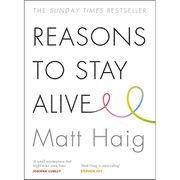
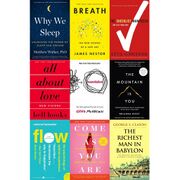
References
- ↑ 1.0 1.1 1.2 1.3 1.4 "The Comfort Book". Penguin Random House. Penguin Random House. 6 July 2021. Retrieved 28 October 2025.
- ↑ "The comfort book". WorldCat. OCLC. Retrieved 28 October 2025.
- ↑ 3.0 3.1 3.2 "The Comfort Book". Penguin Random House Library. Penguin Random House. 6 July 2021. Retrieved 28 October 2025.
- ↑ 4.0 4.1 Dean, Jonathan (1 July 2021). "Matt Haig: 'I have never written a book that will be more spoofed or hated'". The Guardian. Retrieved 28 October 2025.
- ↑ 5.0 5.1 Haupt, Angela (18 November 2021). "Best feel-good books of 2021". The Washington Post. Retrieved 28 October 2025.
- ↑ 6.0 6.1 "The Comfort Book". Canongate. Canongate Books. Retrieved 28 October 2025.
- ↑ "Matt Haig on The Comfort Book". WNYC – All Of It. New York Public Radio. 8 July 2021. Retrieved 28 October 2025.
- ↑ 8.0 8.1 Tivnan, Tom (4 February 2022). "Osman and Haig lead e-book chart for 2021 as market stalls". The Bookseller. Retrieved 28 October 2025.
- ↑ 9.0 9.1 "Amazon Charts: Haig doubles up at the top". The Bookseller. 13 July 2021. Retrieved 28 October 2025.
- ↑ "The Comfort Book: Special Winter Gift Edition". Google Books. Canongate Books. 28 October 2021. Retrieved 28 October 2025.
- ↑ Taylor, Ed Cumming (package editor) (5 July 2021). "Books of the month: July 2021". The Independent. Retrieved 28 October 2025.
{{cite news}}:|first=has generic name (help) - ↑ "Reviewed: The Comfort Book by Matt Haig". RTÉ Culture. 6 August 2021. Retrieved 28 October 2025.
- ↑ 13.0 13.1 Larman, Alexander (11 July 2021). "In brief: The Comfort Book; The Dictator's Muse; Shadow State – review". The Guardian. Retrieved 28 October 2025.
- ↑ "The Comfort Book (review)". Kirkus Reviews. 6 July 2021. Retrieved 28 October 2025.
- ↑ Ditum, Sarah (23 January 2021). "The banality of Matt Haig". The Spectator. Retrieved 28 October 2025.
- ↑ "10 Things Jonathan Bailey Can't Live Without". GQ. Condé Nast. Retrieved 28 October 2025.